PanAfGeo Logo EU Emblem

PanAfGeo+ Partnerships and Capacity Building Kick-Off Meeting

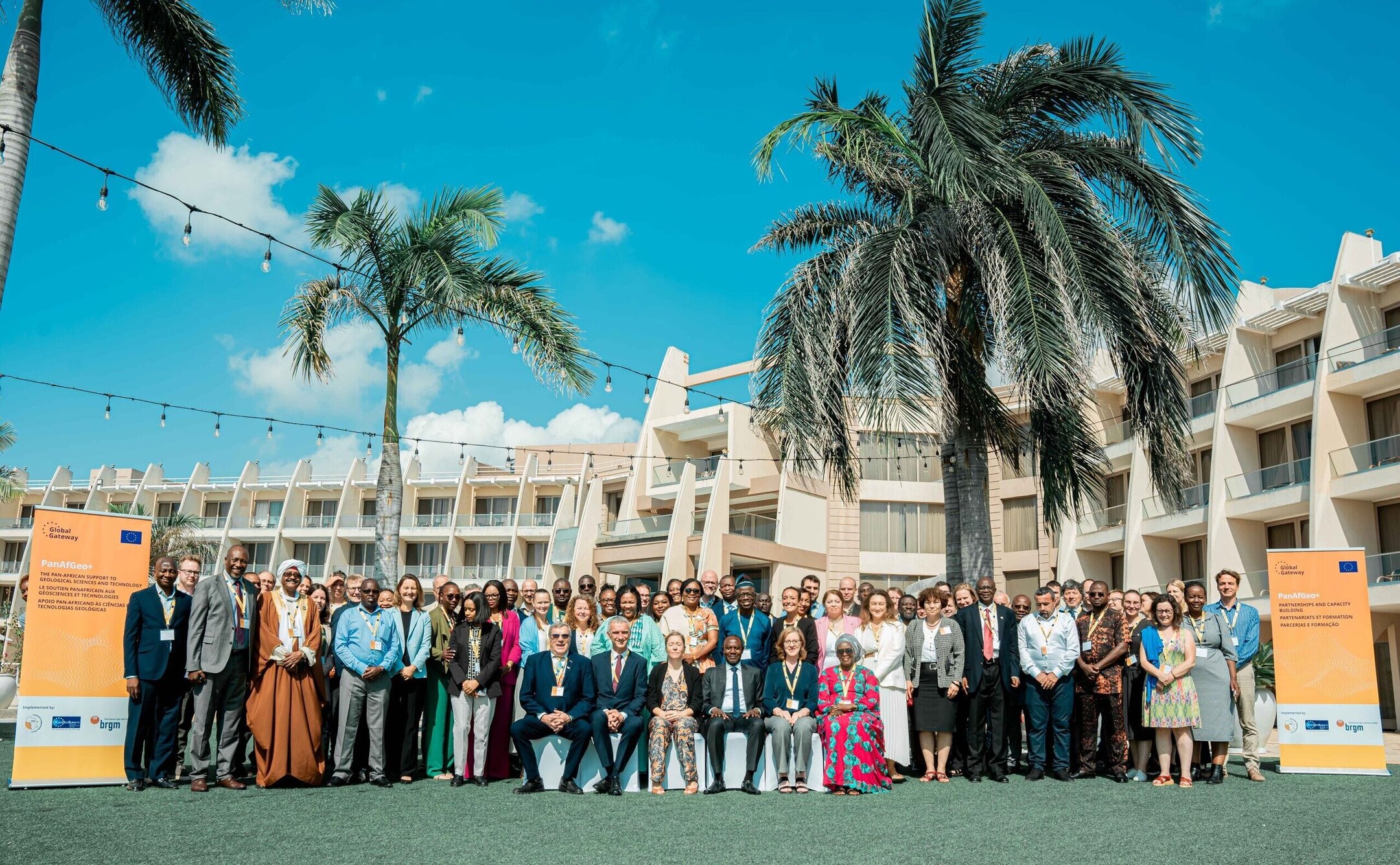
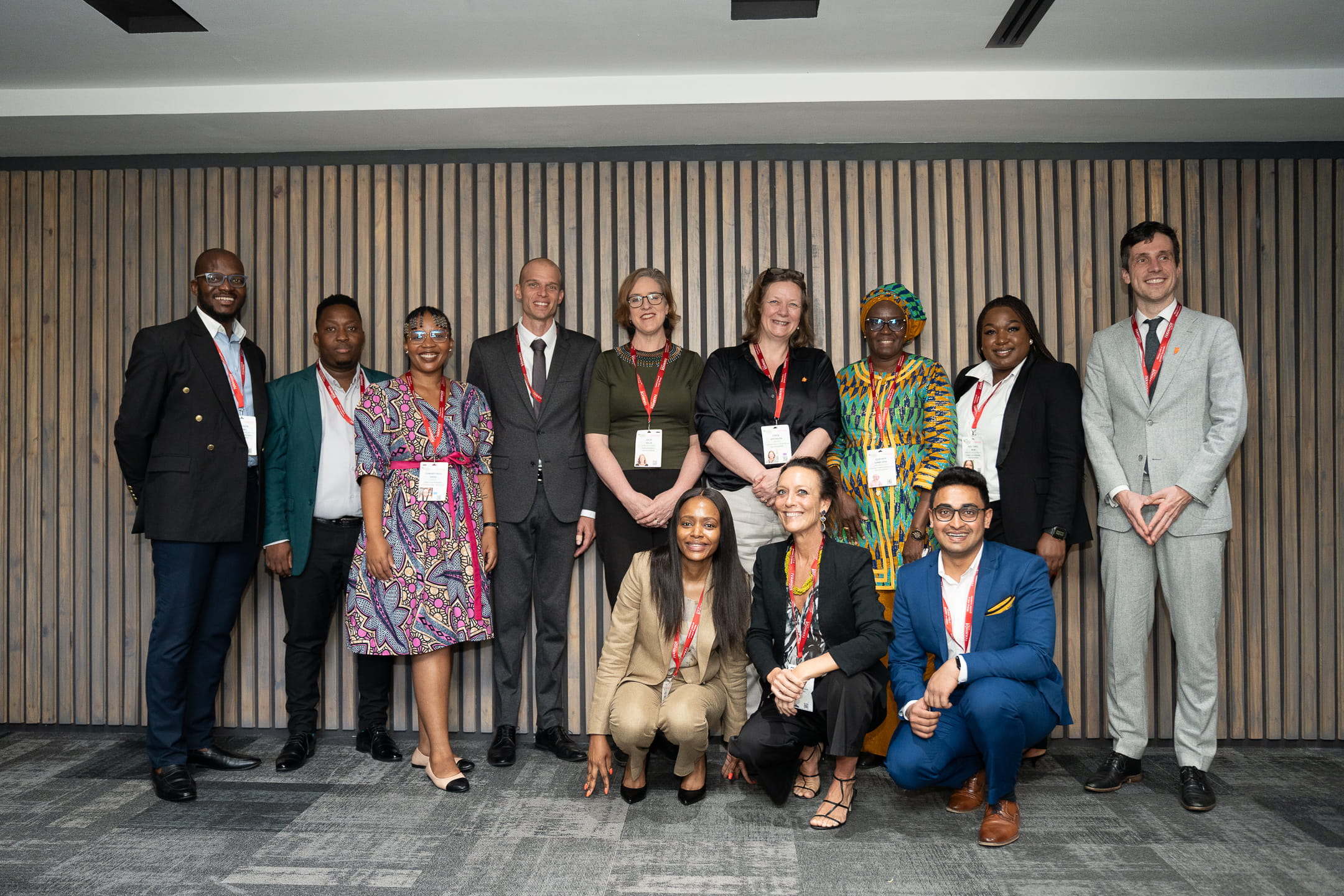
The PanAfGeo+ Partnerships and Capacity Building Kick-Off meeting concluded today in Dar es Salaam, Tanzania, marking the successful launch of the 2025–2029 phase of the European Union (EU) funded PanAfGeo+ Programme. The event also marked the official rollout of support under the programme’s four Country Windows – Rwanda, Tanzania, Uganda, and Zambia – along with preparatory engagement for three additional Country Windows (Democratic Republic of the Congo, South Africa and Namibia). Over two days, more than 80 representatives from African and European geological surveys, governments, international institutions, and civil society gathered to chart a path forward for collaborative geoscientific development.


Hosted by the Geological Survey of Tanzania and co-organised by the Organisation of African Geological Surveys (OAGS), EuroGeoSurveys (EGS), and coordinated by the French Geological Survey (BRGM), the event featured dynamic dialogue, strategic presentations, and new initiatives to enhance Africa’s capacity in geoscience and sustainable resource management.


“PanAfGeo+ brings the power of partnerships into focus. The groundwork laid here in Dar es Salaam sets the stage for a more resilient, data-driven, and investment-ready Africa,” said Jean-Claude Guillaneau, PanAfGeo+ Coordinator.


“PanAfGeo+ programme is a remarkable initiative at the forefront of Africa’s geoscientific development. By investing in geological knowledge and capacity, the EU is investing in economic empowerment, environmental stewardship, and regional prosperity,” said, Christine Grau, Ambassador of the European Union to Tanzania.


Representing the Minister of Minerals, Hon. Anthony P. Mavunde, Deputy Permanent Secretary Msafiri L. Mbibo highlighted that the event marked a clear step toward a stronger partnership with the EU in developing Tanzania’s critical minerals, a sector he described as central to the country’s sustainable economic future.


Key Outcomes:

  • High-Level Endorsement: Senior officials, including representatives from the EU Delegation, African Union Commission, and the Tanzanian Ministry of Minerals, affirmed strong institutional support for PanAfGeo+.
  • General Assembly Milestones: Presentations from the eight Work Packages outlined training and cooperation strategies, while “Country Windows” for Rwanda, Tanzania, Uganda, and Zambia were officially introduced.
  • Strategic Discussions: Panels addressed the critical role of geoscience in Africa’s green and digital transitions, with emphasis on critical raw materials (CRMs), artisanal mining, and geoheritage.
  • Management Committee Recommendations: The Advisory Board presented a series of recommendations to guide the programme’s implementation, governance, and future investment pipeline.

With an enhanced focus on institutional partnerships and investment readiness, PanAfGeo+ will also launch its new PanAfGeo+ Invest component later this year to catalyse public-private partnerships for CRM projects across Africa.


“Our unity and commitment are stronger than ever. This phase will empower African Surveys with tools to deliver both knowledge and impact,” said Rokhaya Samba Diene, President of OAGS.


“This is the spirit of PanAfGeo+: collaboration, vision, and action,” added Tirza van Daalen, President of EGS.


As global demand for sustainably sourced raw materials grows, PanAfGeo+ stands as a timely and transformative platform that links geoscience with sustainable development, economic resilience, and intercontinental cooperation.

PanAfGeo: Advancing Africa’s Geoscience Future with PanAfGeo+

PanAfGeo-2 seized the spotlight at Mining Indaba 2025 this week, making a strong impact at the European Commission/Team Europe pod.

Throughout the event, PanAfGeo-2 maintained a strong presence at the EU Pavilion, engaging in discussions with key institutions such as the Council for Geoscience, the Geological Survey of Senegal, the Ministry of Mines, Industry and Technological Development, Cameroon, and the Geological Survey of Namibia.

Strengthening EU-Africa Geoscience Collaboration

On 5th February, two key meetings took place.

In the morning, the Presidents of EuroGeoSurveys (EGS) and the Organisation of African Geological Surveys (OAGS) held a high-level introductory meeting, supported by their respective teams. Rokhaya Samba Diene, President of OAGS, warmly welcomed Tirza Van Daalen, the newly appointed President of EGS. Discussions centred on strengthening EU-Africa geoscience collaboration and reinforcing the commitment to working together through the PanAfGeo-2 programme.

PanAfGeo Achievements and the Introduction of PanAfGeo+

In the afternoon, a high-level meeting was convened to reflect on the achievements of PanAfGeo-2 as it concludes and to introduce PanAfGeo+, an ambitious new phase set to run from 2025 to 2029. This next chapter will further enhance EU-Africa partnerships, strengthen geological survey capacities across Africa, and foster economic cooperation in critical raw materials.

The event brought together key geoscience experts, policymakers, and industry leaders, including Rokhaya Samba Diene, President of the OAGS; Tirza Van Daalen, President of EGS; Cécile Tassin-Pelzer, Adviser at the Africa Directorate of the European Commission (DG INTPA); as well as high-level representatives from African and European geological institutions.

Speaking at the event, Rokhaya Samba Diene reaffirmed the strong collaboration between OAGS and EGS, highlighting how PanAfGeo has reinforced ties between African and European geological institutions, fostering a shared vision for sustainable geoscience development across the continent.
Tirza Van Daalen echoed this sentiment, underscoring the importance of continued cooperation and stating that the PanAfGeo programme has laid the foundation for a long-term EU-Africa partnership in geosciences. She emphasised that with PanAfGeo+, these collaborations will be further strengthened, ensuring that Africa’s geological potential plays a key role in global sustainability.

During the meeting, Jean-Claude Guillaneau and Nicolas Charles, Coordinators of the PanAfGeo Project (BRGM), presented key findings from Phases 1 and 2, demonstrating the initiative’s impact on advancing geological knowledge, building technical capacity, and fostering EU-Africa cooperation. Since its inception in 2016, PanAfGeo has trained nearly 1,750 geoscientists coming from all African countries, significantly contributing to the development of Africa’s geoscience sector. The coordinators also introduced PanAfGeo+, outlining its objectives to further develop African geological surveys and strengthen cooperation in the exploration of critical raw materials.

A high-profile panel discussion followed, focusing on the future of mineral exploration, environmental protection, and sustainable resource management. Moderated by Willem Meintjes, Executive Manager at the Council for Geoscience, South Africa, and Julie Hollis, Secretary General of EGS, the panel featured Jean-Claude Guillaneau, Coordinator of PanAfGeo (BRGM); Claudio Bacigalupi, Head of Cooperation at the EU Delegation to Zambia; and Raoul Wazenga, Director General of the National Geological Survey of Congo (DRC). The discussion provided key insights into the challenges and opportunities facing Africa’s geoscience sector and the role PanAfGeo+ will play in addressing them.

The meeting served as a platform for engaging discussions, expert insights, and networking opportunities, reinforcing the importance of sustained collaboration in shaping the future of Africa’s geoscience sector. The launch of PanAfGeo+ marks a significant milestone, ensuring continued support for geological advancements, capacity building, and sustainable resource management across the continent.
PanAfGeo+ Advances Geoscience Collaboration at the 30th Colloquium of African Geology

21 septembre 2025 | Nairobi, Kenya

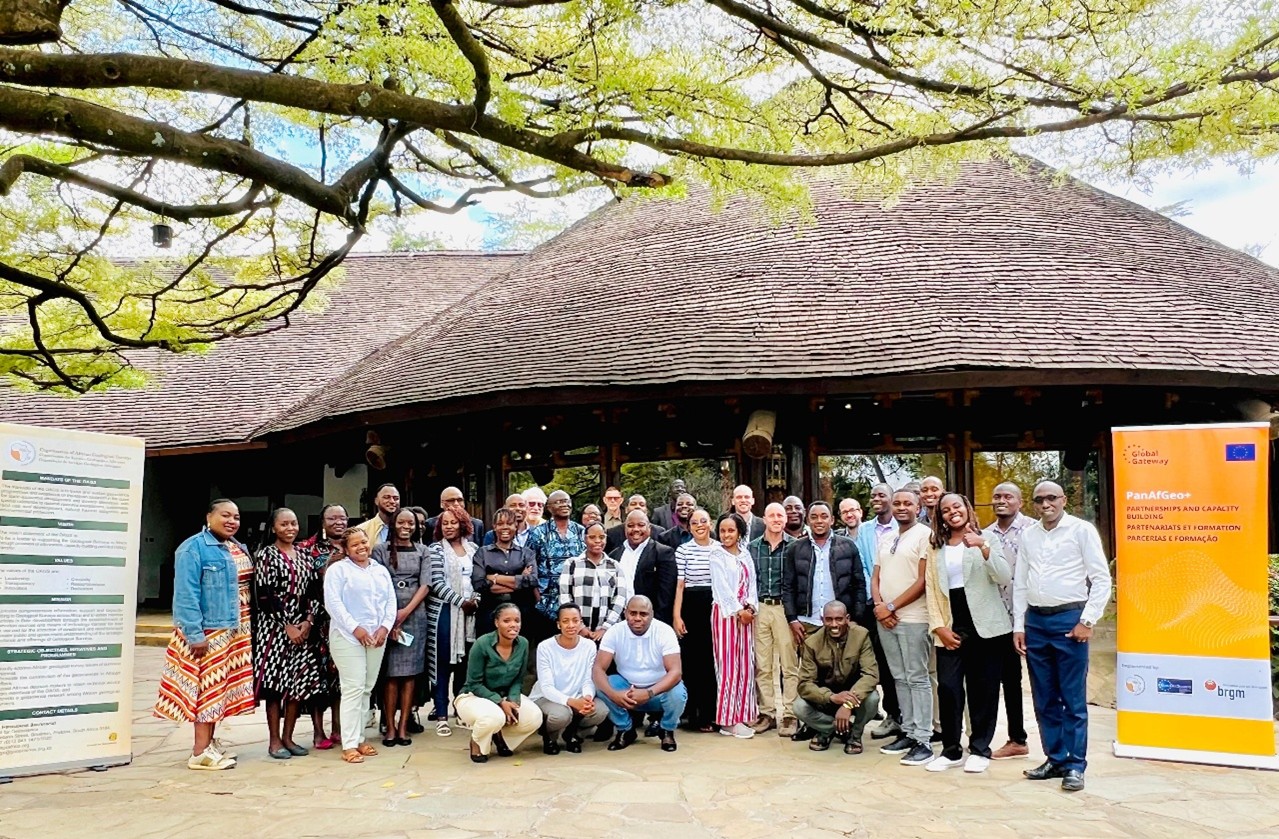
PanAfGeo+ contributed to the 30th Colloquium of African Geology through the organisation of a dedicated workshop titled “Building a Geoscience Africa Expert Network.”

The workshop brought together geoscience experts from across Africa and Europe, creating a platform for open dialogue and meaningful exchange. Moving beyond traditional presentations, the session encouraged interactive discussions and collaboration among participants.

Discussions focused on the role of geoscience in addressing key societal challenges, including:

  • mineral resources and infrastructure
  • environmental management
  • geotourism
  • food security

Participants also explored stakeholder needs, identified research gaps, and highlighted opportunities to strengthen collaboration, inclusion, and engagement across institutions.

The workshop resulted in a shared vision for the development of a collaborative Geoscience Africa Expert Network, contributing to stronger Africa–Europe partnerships under the PanAfGeo+ framework.

As part of the communication outputs, visual materials and a video highlight were produced and disseminated through PanAfGeo+ channels, further extending the reach and impact of the initiative.