PanAfGeo Logo EU Emblem

PanAfGeo+ South Africa Country Window Launched to Strengthen Geoscientific Cooperation Between South Africa and Europe

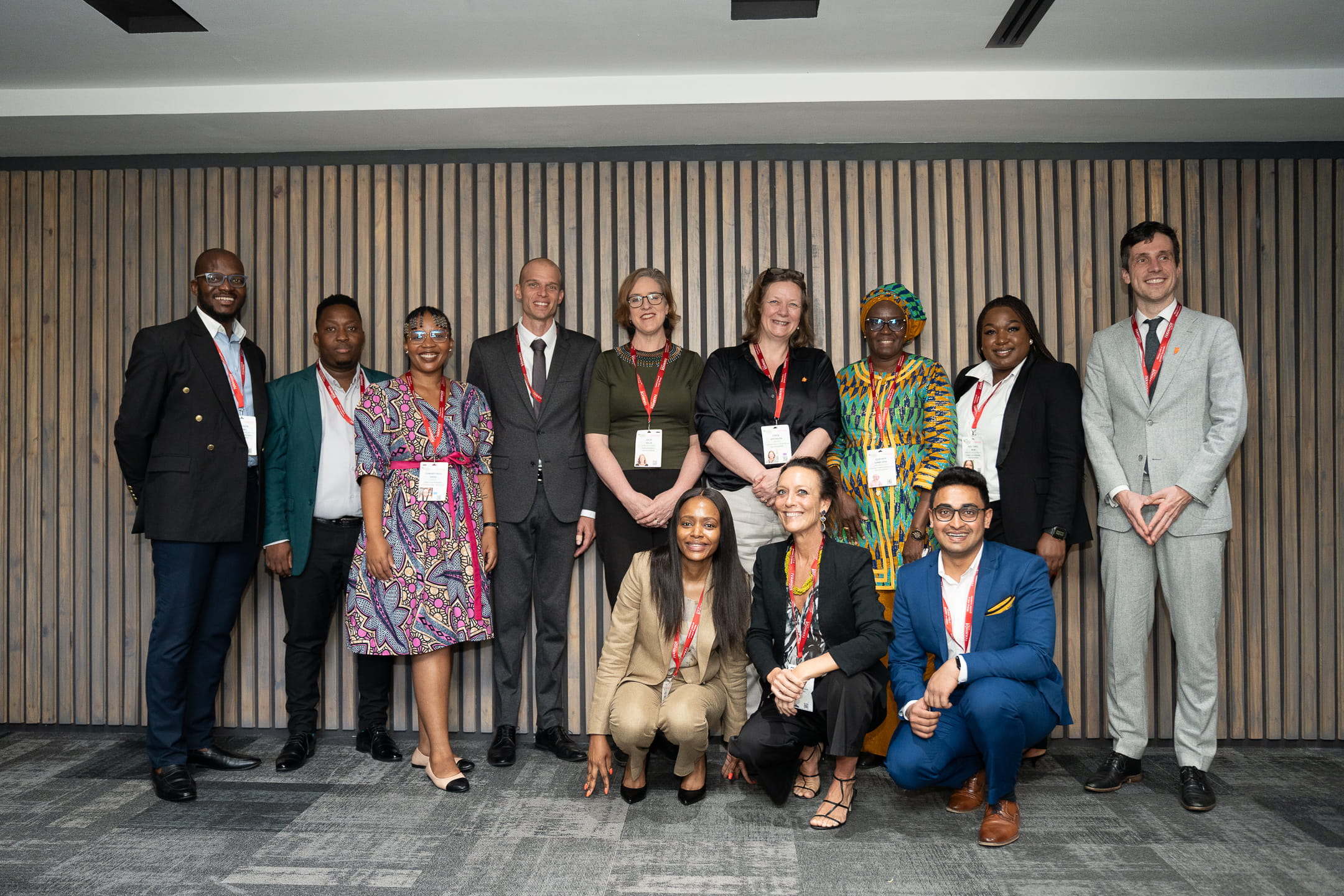
The PanAfGeo+ South Africa Country Window was officially launched in Tzaneen, Limpopo Province, bringing together representatives from government, academia, geological surveys and international partners to strengthen scientific cooperation and support sustainable resource development.


The two-day event marked an important milestone in the growing collaboration between the Council for Geoscience (CGS) and Geological Survey of the Netherlands (TNO), while reinforcing PanAfGeo+’s role in facilitating long-term partnerships between African and European Geological Surveys.


A milestone for international cooperation

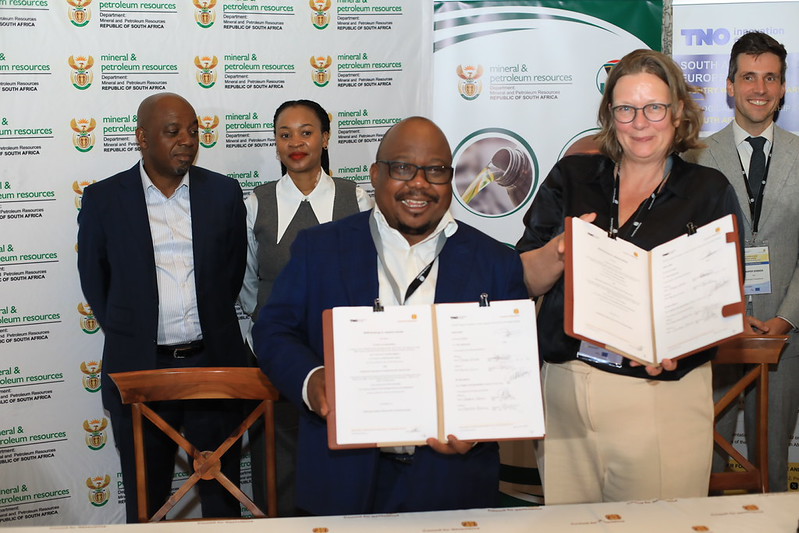
A highlight of the launch was the signing of a Memorandum of Understanding (MoU) between the Council for Geoscience and TNO, establishing a framework for closer collaboration in areas including:

  • Critical raw materials
  • Geological mapping
  • Geodata and digital geoscience
  • Carbon Capture, Utilisation and Storage (CCUS)
  • Scientific knowledge exchange

The agreement was signed in the presence of South Africa’s Minister of Mineral and Petroleum Resources, Hon. Samson Gwede Mantashe, and the Ambassador of the Kingdom of the Netherlands to South Africa, H.E. Joanne Doornewaard, highlighting the strategic importance of international cooperation in addressing future energy and resource challenges.


PanAfGeo+ as a catalyst for partnership

The South Africa Country Window builds on cooperation already established through the PanAfGeo+ programme, one of the European Union’s Global Gateway flagship initiatives supporting geoscientific capacity development across Africa.

Country Windows are designed to respond to national priorities by fostering tailored collaboration between African and European Geological Surveys. Through technical exchanges, institutional cooperation and joint activities, they help strengthen national geoscientific institutions while encouraging lasting partnerships beyond individual training events.

The launch in South Africa demonstrates how PanAfGeo+ continues to create opportunities for knowledge exchange and scientific cooperation that support sustainable development and responsible resource management.


Addressing shared challenges

Throughout the workshop, participants explored topics that are increasingly important for both Africa and Europe, including critical raw materials, sustainable mining, geoscience diplomacy, geological mapping and the role of geoscience in supporting the global energy transition.

Technical presentations highlighted South Africa’s strategic role within global critical mineral value chains, while discussions emphasised the importance of scientific research, innovation and international collaboration in delivering long-term societal benefits.

The programme also included a field visit in the Tzaneen region, allowing participants to examine local geology and natural resources while connecting classroom discussions with practical geological observations.


Investing in future capacity

The event also highlighted the importance of investing in future generations of geoscientists. Discussions included opportunities to strengthen education, skills development and international collaboration, recognising that building scientific capacity remains essential for sustainable resource management and economic development.


Looking ahead

The launch of the South Africa Country Window marks the beginning of a new phase of collaboration between the Council for Geoscience, TNO and the wider PanAfGeo+ partnership.

By bringing together expertise from African and European Geological Surveys, the initiative will continue to promote scientific excellence, institutional cooperation and knowledge exchange, contributing to resilient geoscientific institutions and supporting sustainable development across Africa.
PanAfGeo+ Workshop Advances Dialogue on Harmonised Mineral Resource Governance in South Africa

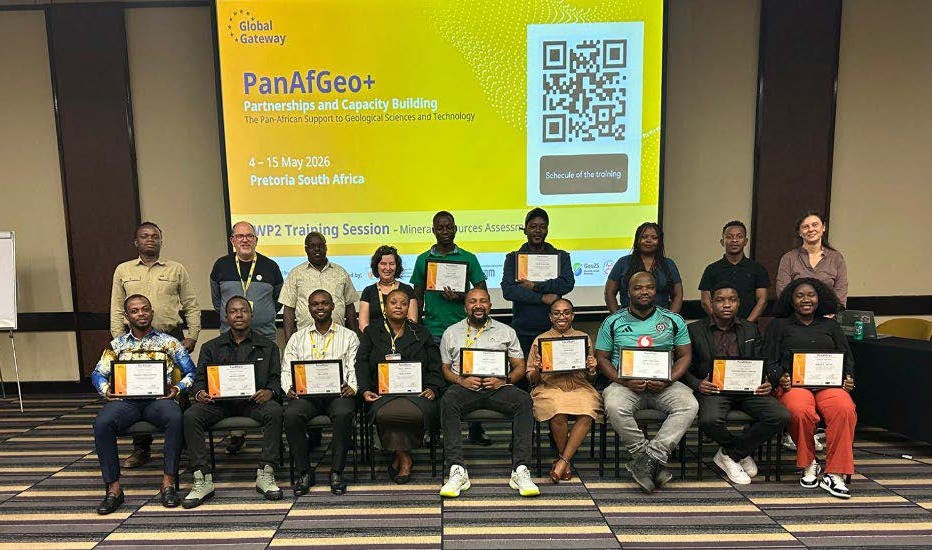
The PanAfGeo+ National AMREC/PARC – UNFC Workshop successfully concluded in Pretoria, South Africa, bringing together representatives from government institutions, geological surveys, academia, industry, and international organisations from across Africa and Europe.


Held under the PanAfGeo+ African Expert Networks (SO1) activities, the two-day workshop focused on advancing dialogue and practical understanding of the United Nations Framework Classification for Resources (UNFC), the Africa Mining Resource Classification System (AMREC), and the Pan-African Resource Classification (PARC).


Participants engaged in policy discussions, technical sessions, case studies, and practical exercises exploring harmonised mineral resource reporting, governance approaches, and implementation pathways aligned with the Africa Mining Vision and Agenda 2063.


The workshop highlighted the importance of expert networks, multistakeholder collaboration, and Africa–Europe partnerships in strengthening sustainable and transparent mineral resource management across the continent. The event was organised in cooperation with the International Center of Excellence on Sustainable Resource Management Europe (ICE SRM EU). Experts from African and European institutions shared experiences related to reporting systems, governance frameworks, inventories, and capacity-building approaches, fostering dialogue and exchange between participants from different sectors.


Slavko Šolar, Geological Survey of Slovenia, noted that: “The level of engagement and exchange throughout the workshop has been very encouraging. It reflects a strong commitment across Africa and Europe to strengthening harmonised approaches to mineral resource governance and cooperation.”


Tunde Muritala Arisekola, African Minerals Development Centre (AMDC), added: “Workshops like this are essential for building long-term capacity and strengthening collaboration between institutions. Through knowledge sharing and practical dialogue, we support countries in advancing more sustainable and informed approaches to resource management.”


The PanAfGeo+ programme, funded by the European Commission, continues to foster collaboration between African and European Geological Surveys, supporting technical development, expert networks, and knowledge exchange across the geoscience community.


The presentation materials shared during the PanAfGeo+ National AMREC/PARC – UNFC Workshop are now available for download. Download the Workshop Presentations (ZIP, 23 MB)

PanAfGeo+ at Mining Indaba 2026: Strengthening Africa–Europe Cooperation in Geosciences

Cape Town, South Africa | Mining Indaba 2026

PanAfGeo+ participated in Mining Indaba 2026 in Cape Town, engaging with stakeholders from across Africa and Europe to highlight the role of geoscience in supporting sustainable investment, resource governance, and long-term development.


Throughout the event, PanAfGeo+ was present at the European Commission – Team Europe Booth (T152), where discussions focused on current and future activities under the PanAfGeo+ programme, including the Invest Component and Country Windows in the Democratic Republic of the Congo, Namibia, and South Africa.


A key highlight of the week was the celebration marking the launch of the new phase of PanAfGeo+, which brought together around 100 participants from geological surveys, European and African institutions, development partners, and the wider geoscience community.


The event highlighted the growing importance of geosciences in Africa’s development agenda and provided a platform for dialogue on sustainable resource management, investment, resilience, and regional cooperation.


Participants were honoured to welcome:

  • Myriam Ferran, Deputy Director-General, DG INTPA, European Commission
  • Tirza van Daalen, President of EuroGeoSurveys (EGS)
  • Gabriel Data, President of the Organisation of African Geological Surveys (OAGS)


The panel discussions and exchanges throughout the event reinforced the importance of strong Africa–Europe partnerships and collaborative expert networks in advancing sustainable and responsible development of mineral resources.


With €21 million committed to the Invest Component and Country Windows, the new phase of PanAfGeo+ marks an important step forward in strengthening geoscientific capacity, partnerships, and investment support across Africa.


Pictures from the PanAfGeo+ launch celebration at Mining Indaba 2026 are available here.

PanAfGeo: Advancing Africa’s Geoscience Future with PanAfGeo+

PanAfGeo-2 seized the spotlight at Mining Indaba 2025 this week, making a strong impact at the European Commission/Team Europe pod.

Throughout the event, PanAfGeo-2 maintained a strong presence at the EU Pavilion, engaging in discussions with key institutions such as the Council for Geoscience, the Geological Survey of Senegal, the Ministry of Mines, Industry and Technological Development, Cameroon, and the Geological Survey of Namibia.

Strengthening EU-Africa Geoscience Collaboration

On 5th February, two key meetings took place.

In the morning, the Presidents of EuroGeoSurveys (EGS) and the Organisation of African Geological Surveys (OAGS) held a high-level introductory meeting, supported by their respective teams. Rokhaya Samba Diene, President of OAGS, warmly welcomed Tirza Van Daalen, the newly appointed President of EGS. Discussions centred on strengthening EU-Africa geoscience collaboration and reinforcing the commitment to working together through the PanAfGeo-2 programme.

PanAfGeo Achievements and the Introduction of PanAfGeo+

In the afternoon, a high-level meeting was convened to reflect on the achievements of PanAfGeo-2 as it concludes and to introduce PanAfGeo+, an ambitious new phase set to run from 2025 to 2029. This next chapter will further enhance EU-Africa partnerships, strengthen geological survey capacities across Africa, and foster economic cooperation in critical raw materials.

The event brought together key geoscience experts, policymakers, and industry leaders, including Rokhaya Samba Diene, President of the OAGS; Tirza Van Daalen, President of EGS; Cécile Tassin-Pelzer, Adviser at the Africa Directorate of the European Commission (DG INTPA); as well as high-level representatives from African and European geological institutions.

Speaking at the event, Rokhaya Samba Diene reaffirmed the strong collaboration between OAGS and EGS, highlighting how PanAfGeo has reinforced ties between African and European geological institutions, fostering a shared vision for sustainable geoscience development across the continent.
Tirza Van Daalen echoed this sentiment, underscoring the importance of continued cooperation and stating that the PanAfGeo programme has laid the foundation for a long-term EU-Africa partnership in geosciences. She emphasised that with PanAfGeo+, these collaborations will be further strengthened, ensuring that Africa’s geological potential plays a key role in global sustainability.

During the meeting, Jean-Claude Guillaneau and Nicolas Charles, Coordinators of the PanAfGeo Project (BRGM), presented key findings from Phases 1 and 2, demonstrating the initiative’s impact on advancing geological knowledge, building technical capacity, and fostering EU-Africa cooperation. Since its inception in 2016, PanAfGeo has trained nearly 1,750 geoscientists coming from all African countries, significantly contributing to the development of Africa’s geoscience sector. The coordinators also introduced PanAfGeo+, outlining its objectives to further develop African geological surveys and strengthen cooperation in the exploration of critical raw materials.

A high-profile panel discussion followed, focusing on the future of mineral exploration, environmental protection, and sustainable resource management. Moderated by Willem Meintjes, Executive Manager at the Council for Geoscience, South Africa, and Julie Hollis, Secretary General of EGS, the panel featured Jean-Claude Guillaneau, Coordinator of PanAfGeo (BRGM); Claudio Bacigalupi, Head of Cooperation at the EU Delegation to Zambia; and Raoul Wazenga, Director General of the National Geological Survey of Congo (DRC). The discussion provided key insights into the challenges and opportunities facing Africa’s geoscience sector and the role PanAfGeo+ will play in addressing them.

The meeting served as a platform for engaging discussions, expert insights, and networking opportunities, reinforcing the importance of sustained collaboration in shaping the future of Africa’s geoscience sector. The launch of PanAfGeo+ marks a significant milestone, ensuring continued support for geological advancements, capacity building, and sustainable resource management across the continent.